
Thick-wall TPU injection-molded parts (wall thickness ≥10 mm) often suffer from surface dents or depressions. It is easy to confuse shrinkage‑induced sink marks with short‑shot (incomplete filling) defects. Although they look similar to the naked eye, their root causes, diagnostic logic, and corrective measures are completely different. Misdiagnosis leads to wasted time and incorrect machine adjustments. This article provides a straightforward on-site judgment method and actionable countermeasures for each defect type, helping production staff quickly pinpoint the issue and fine‑tune the process effectively.
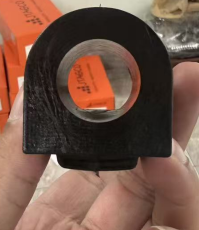
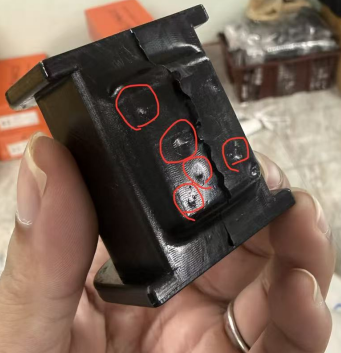
1. Defect Judgment Logic: Sink Mark vs. Short‑Shot
Use the following comparison table for TPU parts with wall thickness ≥10 mm:
Evaluation Criterion
Sink Mark(Material Shrinkage)
Short-Shot/Insufficient Filling
Part Weight
Normal-close to a qualified reference sample
Obviously underweight-significantly lighter than a good sample
Defect Location
Mainly on thick sections(10-15 mm) and thickness-transtion zones; repeated at fixed thick-wallspots
Not limited to thick areas-can appear on thin walls,ribs,and corners;often at the end of the flow path with incomplete contours
Part Contour
Full,well-defined edges and ribs;only the thick-wall surface caves inward- internal cavity is fully packed
Missing or rounded corners /ribs-the cavity is not completely filled
Reproducibility
Consistent dents at the same thick-wall positions;if always at one spotcheck venting there
Occurs typically far from the gate; improves markedly when injection pressure or speed is increased
Surface
Appearance
Smooth but concave,no flow marks around
Abrupt,rounded edge at the unfilled end,sometimes with burnt marks or flow lines
2. Quick On‑Site Inspection Steps
Follow these three simple steps to classify the defect before touching the machine settings:
①Weigh the part – Use the same scale to compare the defective part with a known good sample.
Weight close to good → sink mark (shrinkage)
Weight noticeably lighter → short‑shot (underfilling)
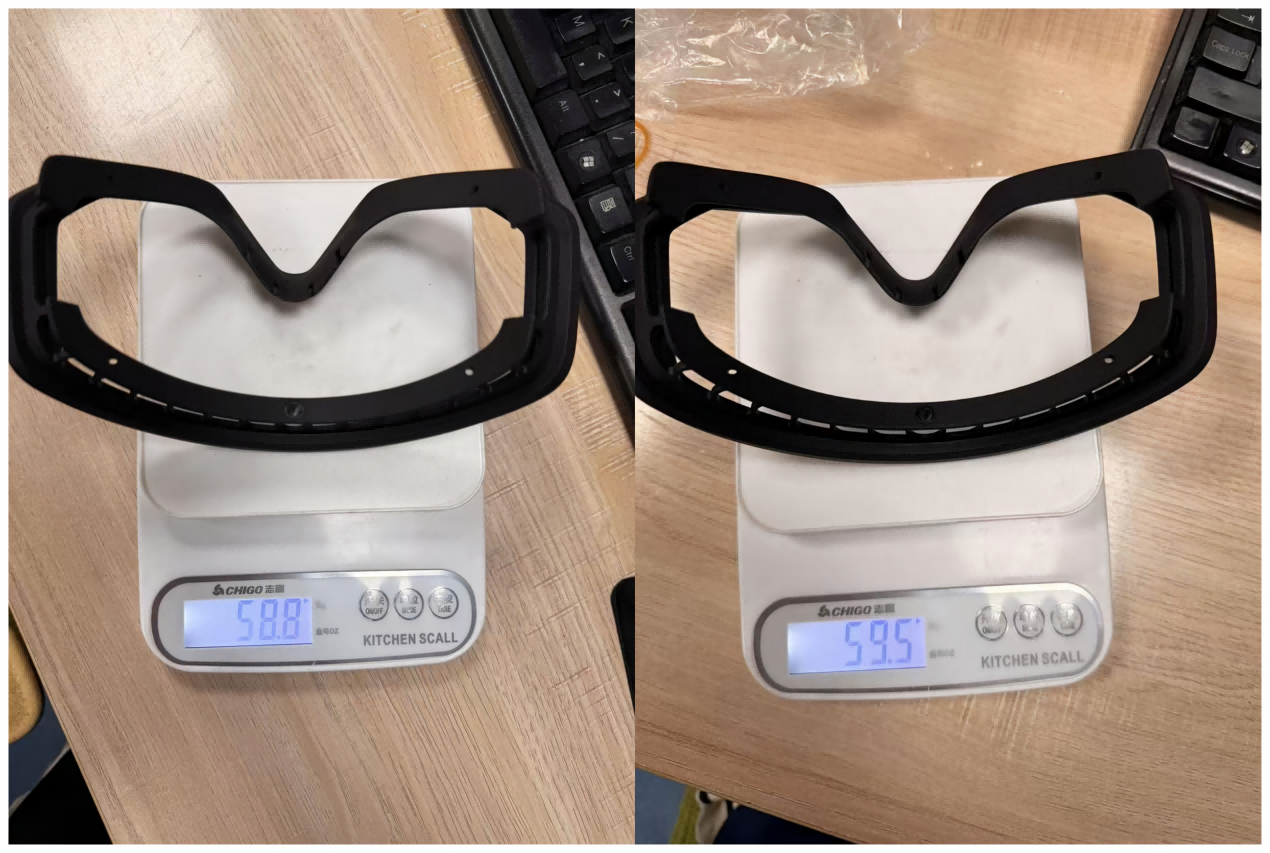
②Check the part outline – Look at the edges and ribs.
All features complete, only a dent on thick wall → sink mark
Missing or rounded corners / ribs → short‑shot
③Locate the defect –
Defect fixed on thick‑wall area → prioritize shrinkage
Defect at flow end or thin ribs → prioritize insufficient filling
Note: Sink marks in thick‑wall TPU often stem from insufficient cooling time. The inner molten material shrinks as it solidifies, pulling the surface inward – this is an inherent property of the material, not a mould or machine fault.
3. Final Reminder
Correctly distinguishing these two defects is the first and most critical step. Weigh it, check the contour, and locate the defect – that will tell you which direction to go. Once you know what you are dealing with, you can apply the appropriate countermeasures (covered in our separate guide on solutions).
Remember: misdiagnosis leads to wasted time and wrong adjustments. Get the diagnosis right, and you are halfway to the fix.
Dirección de correo electrónico
koslen@163.comNúmero de contacto
18900373733Habla a
Petrochemical light industry community,Wangchuan Town,Hui an County


Si Si está interesado en nuestros productos y desea conocer más detalles, deje un mensaje aquí, le responderemos lo antes posible.

 Compatible con red IPv6